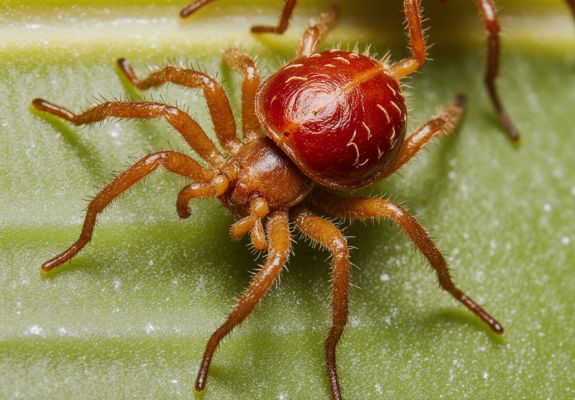
Spider mite (Tetranychus urticae) is one of the most feared pests by farmers and technicians. This phytophagous mite can decimate entire crops in a matter of days if not treated with the appropriate product. Choosing the best insecticide for spider mite isn’t just about efficacy, but understanding the pest’s life cycle, the mode of action of each treatment, and the specific needs of each crop. In this comprehensive guide, we analyze all options, from chemical acaricides to next-generation bioprotectors, so you can make the most informed decision and protect your investment.
✅ Highlights – Best insecticide to eliminate spider mite
- • Spider mite (Tetranychus urticae): mite that sucks plant sap, causing yellow spots, webbing, and defoliation that reduces yields by up to 70%.
- • Available solutions: from chemical acaricides (resistance risk) to ecological options (lower persistence) and next-generation bioprotectors.
- • Best option: QUELAFERT® HACKER – bioprotector insecticide acaricide with dual physical action (contact + suffocation) that eliminates eggs, larvae, and adults.
- • Key advantages: zero residues, compatible with beneficial fauna, no safety interval, and effective on tomato, avocado, and horticultural crops.
- • Guaranteed result: effective control without generating resistance, ideal for sustainable agriculture and integrated production.
What is spider mite and why is it so harmful to our crops?
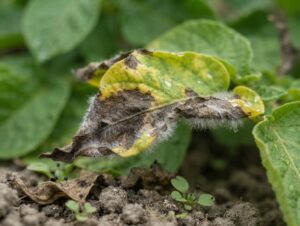
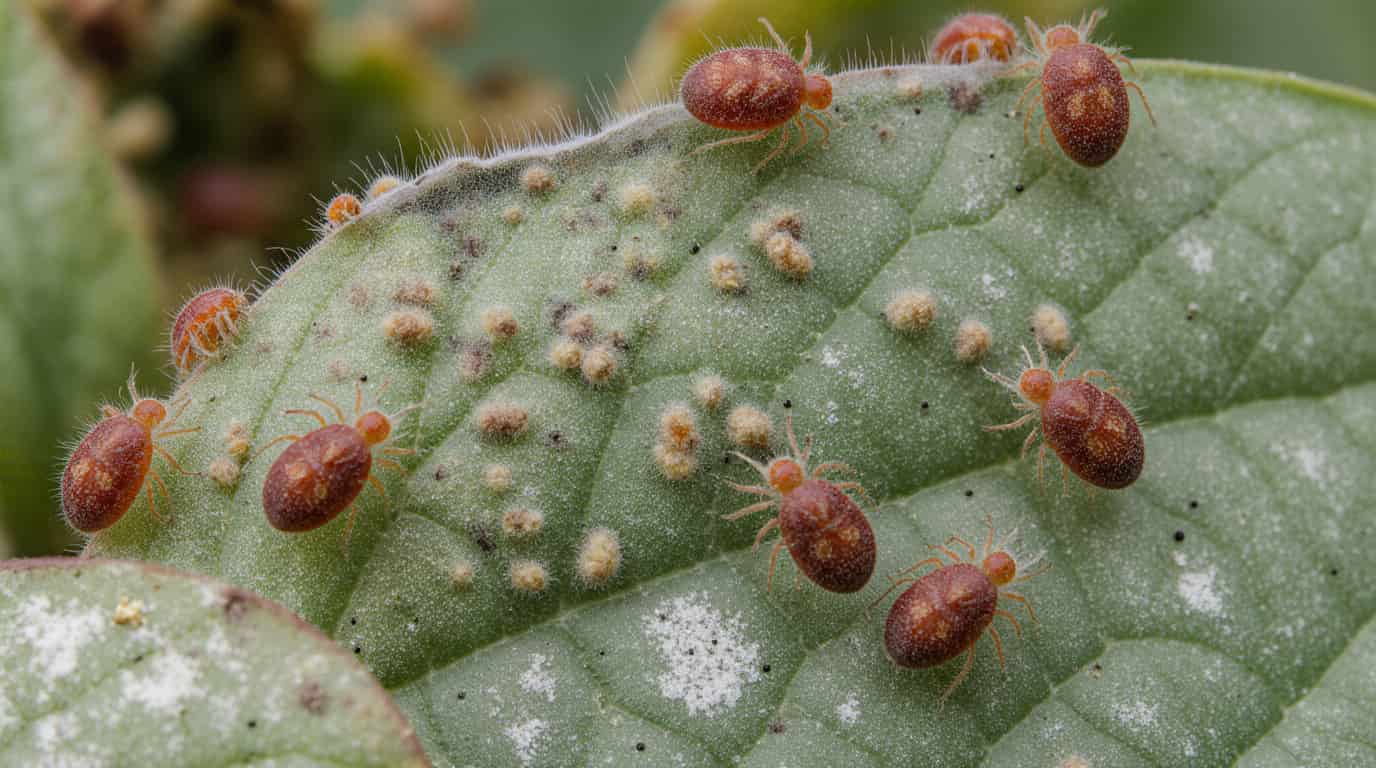
Spider mite is a mite from the Tetranychidae family, far from being an insect, it’s a polyphagous pest that attacks hundreds of plant species. Its small size contrasts with its destructive capacity. It feeds on the cell content of leaves, piercing with its chelicerae and sucking out chlorophyll. This process generates the characteristic damage:
-
Yellow chlorotic stippling or spots on the upper leaf surface.
-
Bronze or leaden appearance on affected leaves.
-
Fine webbing covering tender shoots and the underside of leaves, especially in advanced infestations.
-
Desiccation, premature defoliation, and plant death in severe cases.
The damage goes beyond aesthetics. Photosynthesis is drastically reduced, the plant weakens, and yields plummet. In crops like tomato or avocado, an uncontrolled spider mite infestation can ruin an entire harvest.
Life cycle and development of spider mite
Understanding its biological cycle is key to effective control. Under ideal conditions (heat and dryness), its development is explosive:
-
Egg: Spherical and translucent, deposited on the underside of leaves.
-
Larva: After hatching, it has six legs and begins feeding.
-
Nymph: Goes through two stages (protonymph and deutonymph), now with eight legs.
-
Adult: The egg-to-adult cycle can complete in just one week with temperatures above 30°C.
This reproductive speed explains why an initial focus becomes an unmanageable pest in very little time. An effective acaricide treatment must act not only on adults but also on their immature forms.
How to identify and assess spider mite damage
Early detection is your best weapon. Conduct periodic inspections, especially on the underside of leaves in the lower parts of the plant. Use a field magnifier if necessary. Look for the first symptoms: those small yellow stippling that are often confused with nutritional deficiencies. The presence of fine webbing is an alarm signal that the infestation is already advanced. Assessing the damage level will help you choose the most aggressive or most preventive control strategy.
Types of insecticides and acaricides to combat spider mite
Not all products are equal. The choice of active ingredient and its formulation make a difference in the efficacy of controlling this pest.
Synthetic chemical insecticides against spider mite
This group includes specific-action acaricides. They are molecules designed to interfere with the nervous system or growth of mites. They usually offer rapid knockdown effect and good persistence. However, their repetitive and uncritical use has generated one of the biggest problems: spider mite resistance. Strains resistant to abamectin, hexythiazox, or etoxazole are increasingly common, which drastically reduces their efficacy and forces constant mode-of-action rotation. Additionally, they usually have a greater impact on beneficial auxiliary fauna.
Natural and ecological insecticides for sustainable control
Here we find options like sulfur, plant extracts (neem oil), or potassium soaps. They are a valid alternative in organic productions or mild infestations. Their mode of action is usually by contact, suffocating or repelling the pest. The main limitation is that they require very thorough application (thoroughly wetting the underside of leaves) and their persistence is low, needing frequent reapplications. For curative control of established infestations, their potency is usually insufficient.
Comparison of treatments for spider mite: advantages and disadvantages
Choosing the correct insecticide acaricide for spider mite involves weighing these factors:
-
Conventional chemical acaricides:
-
Advantages: Rapid knockdown effect, good persistence, broad spectrum.
-
Disadvantages: High risk of generating resistance, long safety period, negative impact on beneficial insects and pollinators.
-
-
Natural insecticides for spider mite:
-
Advantages: Ideal for organic agriculture, low safety period, lower environmental impact.
-
Disadvantages: Lower efficacy in severe infestations, low persistence, require frequent and very careful applications.
-
-
Next-generation bioprotectors (like QUELAFERT® HACKER):
-
Advantages: Low resistance risk, respect beneficial fauna, dual effect (contact + suffocation), compatible with Integrated Pest Management (IPM) programs.
-
Disadvantages: May require application as precise as ecological products.
-
The best bioprotector insecticide for spider mite: QUELAFERT® HACKER
Facing the limitations of traditional options, an innovative solution emerges that combines efficacy and sustainability. QUELAFERT® HACKER is not a conventional chemical insecticide; it’s a bioprotector insecticide acaricide that represents a qualitative leap in spider mite control.
How QUELAFERT® HACKER acts on the pest
Its advanced formulation acts through a dual physical action mechanism:
-
Contact action: Coats the mite’s body, interrupting its vital processes.
-
Suffocating action: Obstructs its spiracles, causing death by oxygen starvation.
This purely physical mode of action is key. By not being a neurotoxin, the risk of spider mite developing resistance is practically nil. This makes it a reliable and long-lasting tool in your control strategy.
Key advantages compared to other market treatments
-
Proven efficacy: Acts on all pest stages (eggs, larvae, nymphs, and adults).
-
Respectful to the agroecosystem: Doesn’t harm beneficial insects like bees or the predatory mite Phytoseiulus persimilis, allowing natural biological control.
-
Zero residues: Leaves no chemical residues in the harvest, ideal for integrated and organic production.
-
Plant safety: Its careful formulation doesn’t produce phytotoxicity in crops.
-
Anti-resistance tool: Perfect option to rotate or alternate with other modes of action and break resistance cycles.
Ideal crops for its application: tomato, avocado, and more
QUELAFERT® HACKER is the best insecticide for spider mite in tomato, a particularly sensitive crop where aggressive chemical control can affect flowering and fruit set. It’s also exceptionally effective as an insecticide for spider mite in avocado, where the pest causes foliar damage that compromises future production. Its use is equally recommended in citrus, stone fruits, vines, and a wide range of horticultural crops under greenhouse and open-field conditions.
Frequently asked questions about the best insecticide to eliminate spider mite
What insecticide is good for spider mite in tomato?
For tomato, you need an effective product that doesn’t damage flowers or pollinators. QUELAFERT® HACKER is an excellent option, as it combines high efficacy against the pest with complete safety for the crop and beneficial fauna, leaving no residues on fruits.
What is the best ecological insecticide for spider mite?
If you’re looking for an ecological insecticide for spider mite with efficacy superior to traditional soaps or oils, QUELAFERT® HACKER is the answer. Its physical mode of action and composition make it compatible with organic agriculture, offering powerful and reliable control even in established infestations.
How to effectively eliminate spider mite in avocado?
The insecticide for spider mite in avocado must have good persistence and penetration power in the tree’s dense canopy. Application of QUELAFERT® HACKER, ensuring complete coverage of the leaf underside, provides effective and long-lasting control, protecting the valuable harvest.
What to do when conventional insecticides don’t work?
When facing resistance, it’s time to change strategy. Bioprotectors like QUELAFERT® HACKER, with their non-neurotoxic mode of action, are the perfect tool to break this cycle. They allow you to regain pest control without contributing to the resistance problem.