✅ HIGHLIGHTS – The Ultimate Multi-Purpose Insecticide for Your Tomato Crop
- • The star crop, the perfect target: The tomato (Solanum lycopersicum) attracts a complex of pests (aphids, whiteflies, thrips) that often appear together, demanding an intelligent protection strategy.
- • The integrated solution, not band-aids: QUELAFERT® AZ-3000 is a broad-spectrum insecticide-acaricide of natural origin. Its wide range of control manages the main sucking pests with a single product, simplifying treatments.
- • Key differentiator: Efficacy compatible with organic farming and beneficial fauna. It works by contact and ingestion, providing effective control while respecting the crop’s ecological balance.
- • Beyond insecticides: Complete protection requires understanding the fungal diseases (downy mildew, powdery mildew) that often exploit pest damage. An integrated approach is the key.
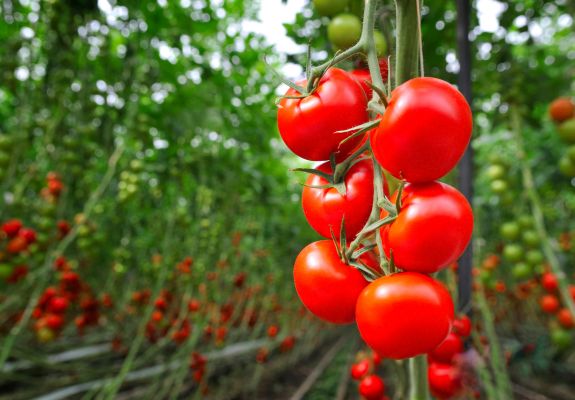
The tomato, Solanum lycopersicum, is the jewel of horticulture but also one of the most coveted targets for an army of pests and pathogens. Finding the best insecticide for tomatoes isn’t just about seeking the strongest product, but the smartest and most adapted solution for a complex reality: we rarely face a single threat. This technical guide goes beyond a simple list; it’s an integrated protection manual that analyzes the complete phytosanitary challenge, from pest identification to the strategic choice of the perfect ally for your tomato plants: the multi-purpose insecticide. Discover how to move from constant struggle to efficient and sustainable management of your plants’ health.
📄 SCIENTIFIC AUTHORITY QUOTE
“Most tomato cultivars are susceptible to a wide variety of arthropod pests, which cause significant losses, including crop devastation. The scientific community values genetic resistance as a key element in Integrated Pest Management (IPM), as a more durable and environmentally friendly approach.”
The Tomato: A Magnet for Pests. Understanding the Phytosanitary Challenge
The popularity and nutritional demands of the tomato make it an exceptional target. Its succulent foliage and sap-rich fruits are a feast for sucking insects, while its growing cycle, often carried out in high humidity and temperature conditions (especially in greenhouses), creates the perfect breeding ground for devastating fungal diseases. This crop doesn’t suffer from one, but from multiple overlapping threats. The damage caused by pests like aphids or whiteflies weakens the plant’s cellular structure, stresses it, and leaves it more vulnerable to fungal infections like downy mildew or botrytis. Therefore, an effective strategy cannot focus on a single front; it must consider a holistic and preventive approach. Understanding this interconnection between pests and diseases is the first step in choosing the right tools, where a broad-spectrum, low-impact insecticide becomes the cornerstone of defense.
Identification Guide: The Most Common Pests on Your Tomato Plants
Aphids, Whiteflies, and Thrips: The Trio of Sucking Pests
This trio represents the most constant and widespread threat to tomato plants, acting similarly but with their own distinctive features. Aphids (like Myzus persicae or Aphis gossypii) form dense colonies on tender shoots and the undersides of young leaves. Their direct damage from sap-sucking causes deformations, leaf curling, and stunted growth. Additionally, they excrete a sugary substance called honeydew, which coats the plant and is the ideal substrate for the development of sooty mold, a black fungus that reduces photosynthesis, causing havoc in crops. Whiteflies (Bemisia tabaci, Trialeurodes vaporariorum) also reside on the underside of leaves. As they feed, they cause general yellowing, weakening, and again, honeydew production. Their greatest danger is acting as vectors for lethal viruses like TYLCV (Tomato Yellow Leaf Curl Virus). Thrips (Frankliniella occidentalis), small, elongated insects, rasp the epidermal tissue to feed, leaving characteristic silvery or whitish patches on leaves and fruits, and can transmit viruses like TSWV (Tomato Spotted Wilt Virus). The common denominator of these three sucking pests is that they weaken the plant, facilitate secondary infections, and completely devalue the commercial worth of the fruit.
Other Significant Threats: Tuta absoluta, Red Spider Mite, and Russet Mite
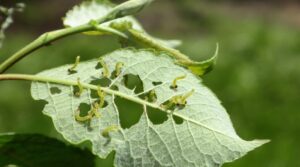
Besides the sucking trio, other pests require special attention. The Tuta absoluta or tomato leafminer is a lepidopteran whose larvae burrow winding galleries in leaves, stems, and fruits, causing irreparable damage and facilitating rot. The red spider mite (Tetranychus urticae) is a mite that, in hot, dry conditions, weaves fine webs on the undersides of leaves and causes yellowish stippling that progresses to bronzing and desiccation. The tomato russet mite (Aculops lycopersici) is another microscopic mite whose attack produces characteristic bronzing or browning on stems, leaves, and fruits, halting growth. Correctly identifying these enemies is crucial, because although a multi-purpose insecticide like AZ-3000 can assist in initial or combined control against suckers, established infestations of these pests may require more specific strategies or products.
Beyond Insects: Tomato Fungal Diseases to Watch For
Downy Mildew and Powdery Mildew: When the Problem Isn’t an Insect
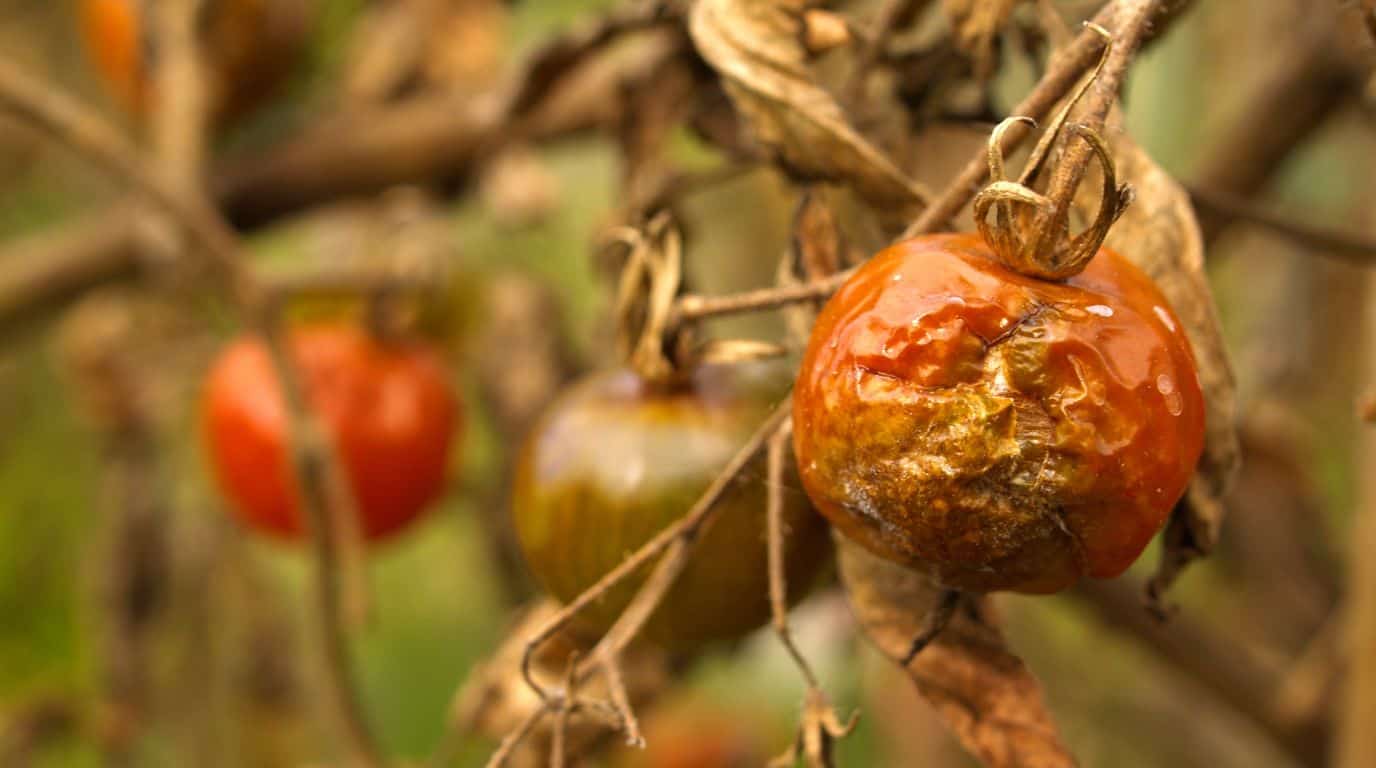
Fungal diseases are just as destructive as pests. Tomato downy mildew (Phytophthora infestans) is the most feared enemy. It manifests as irregular, oily-looking spots on the upper leaf surface, turning brown, with whitish, cottony mold on the underside. Under favorable conditions (high humidity), it spreads rapidly, drying leaves, stems, and rotting fruits. Powdery mildew (Oidiopsis sicula), on the other hand, appears as a white or ashy powder on leaves and stems, which eventually yellow and dry out. Both diseases drastically reduce the plant’s photosynthetic capacity, diminishing its vigor and harvest quality. Their effective control almost always lies in prevention (improving ventilation, avoiding overhead irrigation) and the use of specific fungicides, as insecticides have no effect on them.
Botrytis and Sooty Mold: Collateral Consequences of Plant Stress
Other diseases are often a consequence of a weakened crop. Botrytis or gray mold (Botrytis cinerea) exploits wounds, fading flowers, or tissues damaged by pests to establish itself, covering the area with a grayish, fluffy mold that progresses into soft rot. Sooty mold, as mentioned, is not a primary pathogen but a group of saprophytic fungi that grow on the honeydew excreted by aphids and whiteflies. It forms a black, sooty crust that dirties fruits and leaves, clogging the plant’s pores. The best strategy against these ailments is to control the pests that promote them (suckers) and keep the plant strong and well-ventilated.
Key Prevention Strategies to Combat Tomato Pests
The most economical and effective protection is always prevention. A strong crop and an environment unfavorable to pests reduce the need for drastic interventions. A robust prevention program is built on three fundamental pillars.
1. Preventive Cultural Management: The First Line of Defense
These are practices that hinder the establishment and proliferation of pests from the start.
- Crop rotation and solarization: Avoid planting tomatoes (or other solanaceous crops like peppers or eggplants) in the same ground consecutively. Solarizing the soil with clear plastic in summer helps eliminate fungal propagules, nematodes, and insect pupae.
- Variety selection and planting density: Choose varieties with some tolerance or resistance to common local pests and diseases. A wider planting density improves air circulation between plants, reducing the humidity that favors fungi.
- Balanced irrigation and fertilization: Drip irrigation prevents wetting the foliage, preventing fungal issues. Excess nitrogen produces soft, tender tissue highly attractive to aphids and other suckers.
- Removal of crop residues and weeds: Remove and destroy debris from the previous crop and control weeds, which can act as reservoirs for pests and viruses.
2. Monitoring and Early Detection: Don’t Wait to See the Damage
Systematic observation allows action before the pest gets out of control.
- Chromatic traps: Place yellow sticky traps near the crop to monitor the entry of adult whiteflies, winged aphids, and some thrips. Blue traps are more specific for thrips. Weekly counts give an idea of population dynamics.
- Regular visual inspection: Check weekly, with a hand lens if necessary, the undersides of leaves, new shoots, and flowers, looking for eggs, larvae, adults, or the first signs of damage.
- Establishing action thresholds: It’s not necessary to treat at the first sight of an insect. Define a pest level (e.g., 5 adult whiteflies per trap per week) beyond which intervention is economically justified.
3. Fostering Biodiversity and Natural Biological Control
Creating a self-regulating ecosystem is the most sustainable long-term strategy.
- Companion planting: Sowing basil, marigolds, nasturtiums, or garlic among the tomato plants can act as a natural repellent or attract beneficial insects.
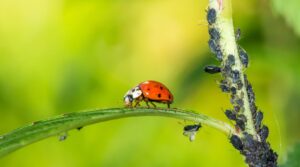
- Insect hotels and diverse hedgerows: Provide shelter for beneficial fauna like ladybugs (aphid predators), lacewings, hoverflies, and parasitic wasps.
- Release of commercial beneficial fauna: In greenhouses or gardens with recurring problems, you can purchase and introduce beneficial insects like Encarsia formosa (for whitefly) or Amblyseius swirskii (for thrips).
What Criteria Should I Consider When Comparing Insecticides for Tomato Plants?
Choosing the right product is a technical decision that goes beyond price or brand. An analysis based on objective criteria is the best guarantee of success for protecting your investment and your harvest. Here are the key factors you should evaluate.
1. Efficacy and Spectrum of Action: Specific Control or Multi-Purpose Protection?
The first filter must be the product’s real ability to solve your problem. You must ask yourself: do I need a specific insecticide for an already identified and uncontrolled pest, or a broad-spectrum product for preventive and general control? Multi-purpose insecticides, like QUELAFERT® AZ-3000, offer a strategic advantage by acting on the complex of sucking pests (aphids, whiteflies, thrips) that often attack tomatoes simultaneously. This simplifies management, reduces the number of applications, and is ideal as the foundation of a protection program. For massive, very specific infestations, a targeted product might be necessary, but for most situations in a garden or family crop, multi-purpose action offers a better efficacy-to-effort ratio.
2. Composition and Origin: Impact on the Plant and the Environment
The nature of the active ingredient defines its safety and residue profile. Insecticides can be of synthetic chemical origin (pyrethroids, neonicotinoids), which often offer rapid action but with a higher risk of resistance and toxicity to beneficial fauna; or of natural origin (plant extracts, potassium soaps, neem oil, microorganisms). The latter, like AZ-3000 based on plant extracts, typically have a lower environmental impact, are biodegradable, and leave no harmful residues on the harvest, making them ideal for organic farming and home growing. Evaluating this criterion is crucial for the health of your garden’s ecosystem.
3. Selectivity and Compatibility with a Healthy Garden
A good insecticide should be a “sniper,” not a “cluster bomb.” Selectivity refers to its ability to eliminate target pests while respecting beneficial insects (pollinators like bees, and predators like ladybugs). Broad-spectrum products of chemical origin are often not very selective. In contrast, solutions based on physical mechanisms or botanical extracts, like AZ-3000, tend to have greater compatibility with beneficial fauna, allowing integration into biological control programs and maintaining the natural balance, which is the best long-term defense.
4. Application Method, Persistence, and Pre-Harvest Interval
Practical factors affecting logistics and food safety. The mode of action (contact, ingestion, systemic) determines how it’s applied: contact products, like many natural ones, require thorough coverage, especially on the undersides of leaves. Persistence is how long the product remains active; moderate persistence is desirable to avoid harming beneficial fauna more than necessary. Finally, the pre-harvest interval (PHI) is the number of days that must elapse between the last application and harvest. Eco-friendly products like AZ-3000 typically have very short or even zero PHIs, which is a decisive advantage for frequently consumed crops like tomatoes.
The Best Insecticide for Tomato: QUELAFERT® AZ-3000 – Broad-Spectrum Efficacy of Natural Origin
QUELAFERT® AZ-3000 represents the evolution towards smart and sustainable protection for tomatoes. It is not a simple potassium soap nor a chemical knockdown insecticide; it is a concentrate of carefully selected plant extracts, specifically formulated as an insecticide-acaricide. Its mechanism of action is dual and sophisticated: it works mainly by direct contact, coating the insect’s body and disrupting its vital functions, and by ingestion, as it is absorbed by the plant’s tissues and exerts its effect when the pest feeds. This dual pathway gives it robust efficacy and greater persistence than purely physical solutions, offering longer-lasting protection against the complex of sucking pests, making it the best insecticide for tomatoes.
Key Advantages: Why Choose a Broad-Spectrum Insecticide-Acaricide
- Integrated and simplified control: Its broad spectrum of action makes it effective against the three main sucking pests of tomatoes: aphids, whiteflies, and thrips. This allows you to reduce the number of different products in the shed, simplify the application schedule, and act with a single intervention when the combined presence of these pests is detected.
- High sustainability profile: Being a product formulated from natural plant extracts, it is compatible with organic farming programs and designed to maximally respect the agroecosystem’s balance. Its use is not at odds with the release or conservation of beneficial auxiliary fauna.
- Preventive and curative strategy: It is a versatile tool. It can be used in preventive programs at the start of the crop cycle to establish a barrier, or in curative interventions at the first signs of infestation, helping to rapidly reduce pest populations.
- Safety for the plant and the harvest: It presents a low risk of phytotoxicity when used according to recommendations, and its natural origin makes it a highly reliable option for crops intended for home consumption or markets with strict residue limits.
How and When to Apply It: Tips to Maximize Its Efficacy
To get the most out of QUELAFERT® AZ-3000, correct application is fundamental:
- Optimal timing: For preventive applications, start treatments at transplanting or when conditions (temperature, humidity) favor pest appearance. In curative mode, apply upon detecting the first individuals or damage during monitoring.
- Preparation and dosage: Strictly follow the recommended dose on the label. A lower dose may be ineffective, and a higher one, unnecessary and costly.
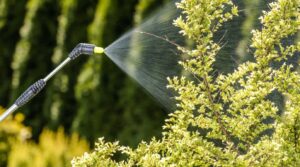
- Application method (KEY): Since it works mainly by contact and pests are located on the underside of leaves, it is essential to achieve complete and thorough coverage of the entire plant, directing the spray towards the lower part of the foliage. Use a sprayer that produces a fine droplet and has enough pressure to reach all hidden areas.
- Environmental conditions: Apply early in the morning or at dusk, avoiding the hottest hours and peak solar radiation to prevent rapid evaporation and potential plant stress.
Frequently Asked Questions About Insecticides for Combating Pests on Tomato Plants
Can I always use the same insecticide for all tomato pests?
It’s not the most recommended approach long-term, although it is the advantage of a multi-purpose product like AZ-3000 for the main sucking pests. Repeated use of a single mode of action (even if natural) can favor the development of resistance in pests. The optimal strategy is rotation or combination with other methods. Use AZ-3000 as the foundation of your program against aphids, whiteflies, and thrips, but occasionally rotate with another product with a different mechanism (for example, a biological insecticide based on Beauveria bassiana) and always integrate preventive methods and biological control. For pests different from suckers (like leafminers or large caterpillars), you will need specific products.
Is AZ-3000 compatible with the beneficial insects in my garden or greenhouse?
Yes, QUELAFERT® AZ-3000 is formulated to be compatible with auxiliary fauna. Being a product of natural origin that acts mainly by contact, its impact on beneficial insects like ladybugs, lacewings, or bees is significantly lower compared to broad-spectrum chemical insecticides. However, caution is key: it is recommended to apply at dusk when the activity of many pollinators is lower, and to avoid spraying directly onto fully open flowers. This compatibility makes it a perfect tool for Integrated Pest Management (IPM) programs, where it is combined with releases of beneficial insects.
What do I do if, despite everything, a very aggressive pest like Tuta absoluta appears?
Tuta absoluta is a specific and highly destructive pest that requires its own strategy. If you detect its characteristic damage (mines or transparent galleries in leaves and fruits), AZ-3000 can help in initial or combined control, but it is likely not enough for an established infestation. In that case, you should:
1. Intensify monitoring with specific pheromone traps to capture adult males.
2. Implement a combination of methods: increase releases of specific beneficial insects (like Nesidiocoris tenuis), use mass trapping, and if necessary, apply a specific insecticide registered for Tuta with a different mode of action, always respecting pre-harvest intervals and compatibility with the rest of your protection program.