✅ HIGHLIGHTS – The best insecticide for aphids
- • Aphids: sap-sucking insects from the Aphididae family that weaken crops by feeding on plant sap and transmitting viruses.
- • Warning signs: curled or deformed leaves, presence of honeydew (sticky substance), sooty mold, and insect colonies on tender shoots.
- • Why do they appear? Warm, dry climates, excess nitrogen, lack of natural predators, and weak or stressed plants.
- • The professional solution: QUELAFERT® AZ3000 PLUS – a natural insecticide based on nettle extract (Urtica spp.), with contact action and zero residue.
- • Key advantages: compatible with beneficial fauna (ladybugs, lacewings), no pre-harvest interval, 3-treatment protocol (days 1, 5 and 12), and suitable for organic farming.
- • Effective application: dosage of 300-600 cc/Hl, thorough wetting of the underside of leaves, apply at dusk avoiding peak sunlight hours.
If you have ever found your plants covered in small green, black, or yellow insects clustered on stems and tender shoots, you are likely facing an aphid infestation. These tiny insects are one of the most persistent and widespread threats in agriculture and gardening. Their reproductive capacity is astonishing: a single female can produce dozens of offspring in weeks, forming colonies that drain the sap from your crops and weaken them irreversibly. In this article, we explain how to identify, prevent, and most importantly, which is the best insecticide for aphids if you are looking for an effective, environmentally friendly solution compatible with natural pest predators. At Quelagrow, we are committed to bioprotectors as a key tool for more sustainable agriculture.
What are aphids (Aphididae)? Description and biological cycle
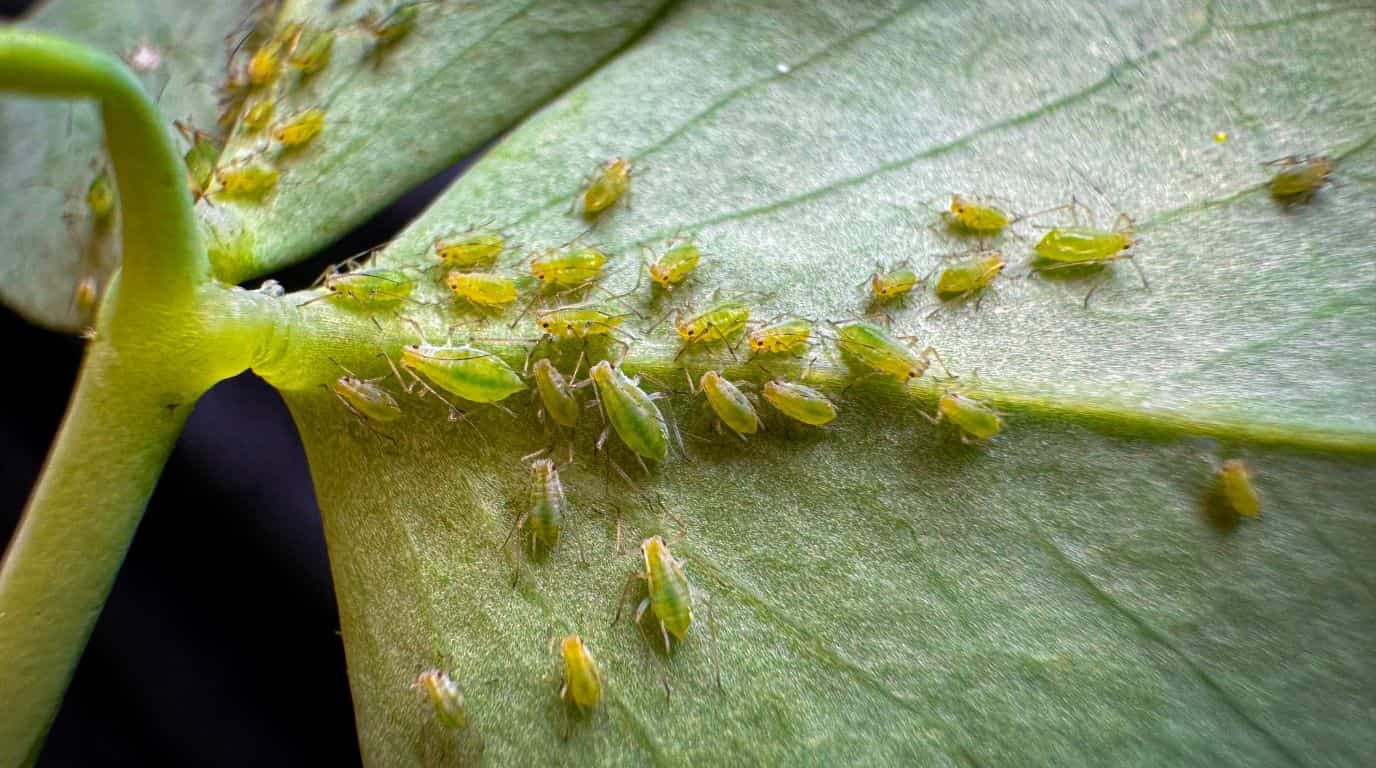
Aphids, whose scientific name refers to the family Aphididae, are small insects of the order Hemiptera characterized by their piercing-sucking mouthparts. Their size ranges from 1 to 4 millimeters, and they can appear in various colors: green, yellow, black, brown, or even reddish, depending on the species and host plant. Some species have wings (winged aphids) that allow them to colonize new crops, while others are wingless and move mainly by crawling.
Their biological cycle is extremely fast under favorable conditions (temperatures of 20-25°C and low humidity). Adult females can reproduce both sexually and asexually (parthenogenesis), accelerating their proliferation. A single female can give rise to several generations in just a few weeks, forming dense colonies that feed on the sap of tender shoots, young leaves, stems, and flowers. Additionally, many aphids secrete a sugary substance called honeydew, which attracts ants and promotes the appearance of fungi such as sooty mold.
How to identify aphids: Symptoms and damage caused by this pest
Before choosing the best insecticide for aphids, it is essential to recognize the signs of their presence. The sooner you detect the problem, the easier it will be to control. These are the most characteristic symptoms indicating that aphids have invaded your plants:
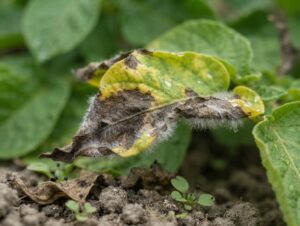
- Deformed, curled, or wrinkled leaves: By sucking sap, aphids introduce toxins into plant tissues, causing leaves to curl inward or take on abnormal shapes.
- Yellow spots or leaf discoloration: Continuous nutrient extraction generates chlorotic areas that weaken the plant’s photosynthetic capacity.
- Sticky substance (honeydew) on leaves and stems: Aphids excrete a sugary liquid called honeydew that coats the plant surface and attracts ants.
- Presence of black mold or sooty mold: Fungi of the genus Capnodium grow on honeydew, forming a blackish crust that blocks light and hinders plant respiration.
- Slow growth and weak shoots: Since sap is the plant’s food, its massive extraction compromises overall crop development.
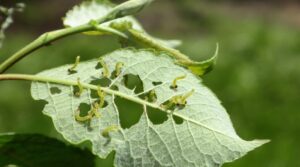
- Visible insect colonies: Aphids cluster on the underside of leaves, on tender shoots, flowers, and younger stems.
- Ants climbing up stems: Ants are attracted to honeydew and “farm” aphids, protecting them from natural predators in exchange for their sugary excretion.
If you observe several of these symptoms, do not wait for the pest to spread. Acting in time is key, and choosing the best insecticide for aphids will make the difference between recovering your crops or losing the harvest.
Why do aphids appear on my plants? Causes and risk factors
Understanding the causes that favor the appearance of aphids is essential for establishing preventive strategies and knowing when to apply the best product against aphids. The most common factors that promote their proliferation are:
- Warm, dry climates: Aphids multiply exponentially at temperatures between 20-25°C and low environmental humidity, typical conditions of spring and summer.
- Excess nitrogen in fertilization: An unbalanced nitrogen supply generates soft plant tissues that are very appealing to aphids.
- Weak or stressed plants: Any factor that weakens the plant (lack of water, thermal stress, aggressive pruning) makes it an easy target.
- Lack of natural predators: In indoor crops or areas with low biodiversity, the absence of ladybugs, lacewings, or parasitic wasps allows aphids to proliferate uncontrollably.
- Presence of nearby infected plants: Winged aphids can easily move from one crop to another, spreading the pest within days.
- Lack of physical barriers or insect-proof mesh: In greenhouses and protected crops, the absence of mesh allows winged aphids to enter from outside.
Knowing these factors will help you design an aphid control strategy that combines prevention with the application of the best insecticide for aphids when necessary.
Types of insecticides to combat aphids: Which is most suitable for your crop?
There are multiple options on the market for eliminating aphids. The choice of the best insecticide for aphids will depend on the type of crop, infestation level, phenological stage of the plant, and your sustainability goals. Below, we explain the main categories:
1. Synthetic chemical insecticides (limited use and caution advised)
Products such as pyrethroids, organophosphates, or neonicotinoids (e.g., imidacloprid) offer a rapid knockdown effect. However, they have significant disadvantages: they easily generate resistance, are toxic to pollinators and beneficial fauna, leave residues on the harvest, and have long pre-harvest intervals. Their use is only recommended in extreme situations and under strict technical control.
2. Potassium soap and neem oil (homemade solutions with limited efficacy)
These are the most popular natural remedies among amateur gardeners. Potassium soap acts by contact, dehydrating aphids, while neem oil (which contains azadirachtin) interferes with their feeding and reproduction. They are economical and ecological options, but their efficacy is limited in moderate or severe infestations, require very frequent applications, and do not always reach aphids sheltered in curled leaves.
3. Biological and natural insecticides (the professional and sustainable option)
Within the latest generation of agricultural insecticides, we find products formulated from plant extracts, microorganisms, or basic substances approved by European regulations. They are the best alternative for effective aphid control in professional and organic agriculture. Their main advantage is that they combine high efficacy with an exceptional environmental safety profile: zero residue, compatibility with beneficial fauna, and absence of pre-harvest intervals. Within this category, QUELAFERT® AZ3000 PLUS stands out as the best insecticide for aphids thanks to its innovative formulation based on nettle extract (Urtica spp.).
4. Biological control with natural predators (complementary to insecticides)
Ladybugs (Coccinellidae), lacewings (Chrysopidae), and parasitic wasps (Aphidius colemani) are natural enemies of aphids. Periodic releases of these beneficial insects can keep the pest at bay. However, in already established infestations, pure biological control may be insufficient, so it is recommended to combine it with a selective and compatible insecticide like AZ3000 PLUS.
Treatment comparison for aphid control
QUELAFERT® AZ3000 PLUS: The best natural insecticide for aphids
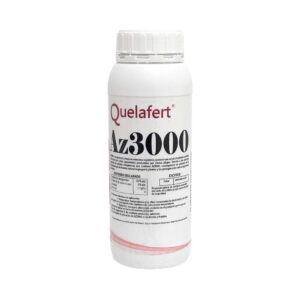
If you are looking for an aphid control product that is effective, environmentally friendly, and compatible with biological control programs, QUELAFERT® AZ3000 PLUS is the answer. This innovative natural insecticide is formulated from Urtica spp. (nettle) extract, a basic substance approved for its protective function in plants and its powerful insecticidal effect specifically against aphids. Its efficacy also extends to other sensitive crops, positioning it as an excellent best insecticide for tomatoes thanks to its multi-purpose action against the complex of sucking pests that affect this solanaceous plant.
How AZ3000 PLUS works: Mode of action and composition
The best insecticide for aphids should not only eliminate the pest but do so intelligently. AZ3000 PLUS works mainly by direct contact. When applied, the nettle extract coats the insect’s body, interfering with its vital functions and causing its elimination. Furthermore, its formulation respects beneficial organisms, making it the ideal tool for integrating into Integrated Pest Management (IPM) programs. Its 100% natural composition and 15% plant extract concentration guarantee proven efficacy without resorting to synthetic chemicals.
Key advantages of AZ3000 PLUS over other insecticides
- Zero Residue: Leaves no chemical residues on the harvest. You can apply it very close to harvest without compromising food safety or maximum residue limits (MRLs).
- No pre-harvest interval: Unlike conventional insecticides, AZ3000 PLUS has no pre-harvest interval, allowing you to act at any crop stage, even during flowering or with fruit formed.
- Compatible with beneficial fauna: It is fully respectful of natural aphid predators such as ladybugs (Coccinellidae), lacewings (Chrysopidae), and parasitic wasps (Aphidius colemani). It even has a synergistic effect that enhances biological control.
- Suitable for organic farming: Complies with organic production regulations, making it a valuable tool for certified or transitioning farmers.
- Optimized application protocol: Recommended 3 treatments: on days 1, 5, and 12. This protocol is designed to break the aphid’s biological cycle and eliminate both adults and new generations as they hatch.
How and when to apply AZ3000 PLUS to maximize its effectiveness
To achieve the best results with the best insecticide for aphids, follow these recommendations:
- Dosage: For preventive applications or moderate damage, use 300-400 cc/hL. In case of severe damage or advanced infestations, increase the dosage to 500-600 cc/hL.
- Treatment protocol: Apply the product on days 1, 5, and 12. This schedule ensures the elimination of adult aphids and larvae that hatch after the first treatment.
- Application method: Complete and thorough wetting is key. Be sure to cover the underside of leaves, tender shoots, and hard-to-reach areas where aphids often hide. Use a sprayer with sufficient pressure and nozzles that produce fine droplets.
- Time of day: Due to the photosensitivity of the product, it is recommended to apply it at dusk or during hours of minimum sunlight to prevent solar rays from degrading the active ingredients before they act.
- Compatibility: Do not mix AZ3000 PLUS with copper-based fungicides, sulfur products, or calcium hydroxide, as these mixtures could reduce its effectiveness. Consult our technical team for compatible mixtures.
Frequently asked questions about the best insecticide for aphids
What is the best insecticide for aphids on tomatoes and vegetables?
For vegetable crops such as tomatoes, peppers, eggplants, or cucumbers, the best insecticide for aphids must be effective but also safe for human consumption and respectful of pollinators. QUELAFERT® AZ3000 PLUS meets all these requirements: it is natural, leaves no residues on fruit, has no pre-harvest interval, and is compatible with beneficial fauna that helps control other garden pests.
Is potassium soap enough to eliminate an aphid infestation?
Potassium soap can be useful for very light infestations or as a complement in preventive programs. However, when the pest is already established and dense aphid colonies are observed, potassium soap is often insufficient. Its action is purely physical (dehydration) and does not penetrate curled leaves or eliminate eggs. For effective aphid control, especially in professional crops, a specific product with a proven application protocol like AZ3000 PLUS is recommended.
How long does the best insecticide for aphids take to work?
The action time depends on the product and infestation level. In the case of QUELAFERT® AZ3000 PLUS, acting by contact, the effects on aphids reached by spraying are visible within a few hours. However, it is important to complete the 3-treatment protocol (days 1, 5, and 12) to also eliminate new generations that hatch after the first application. Patience and consistency are key to breaking the pest’s biological cycle.
Does the insecticide for aphids affect ladybugs or other beneficial insects?
This is one of the most important questions for farmers who rely on biological control. The good news is that QUELAFERT® AZ3000 PLUS is compatible with beneficial fauna. The manufacturer explicitly states that it “does not affect beneficial organisms used for biological control” and even has a synergistic effect with them. This means you can apply it in crops where you have released ladybugs, lacewings, or Aphidius colemani without compromising your investment in biological control. It is always advisable to apply it at dusk to minimize contact with beneficial insects that are most active during the day.
Can the best insecticide for aphids be used on indoor plants or in pots?
Yes, absolutely. QUELAFERT® AZ3000 PLUS is suitable for all types of indoor ornamental plants, balconies, and terraces. Its safety profile (zero residue, no strong odors, does not stain) makes it the ideal choice for home gardening. Additionally, being safe for pets and people when used according to instructions, you can apply it without worry in domestic environments.
How often should I apply the product against aphids to prevent future infestations?
In preventive programs, it is recommended to apply QUELAFERT® AZ3000 PLUS every 10-14 days, especially during spring and summer when climatic conditions favor aphid proliferation. If you detect the first aphids, immediately activate the curative 3-treatment protocol (days 1, 5, and 12) to eliminate the pest at its root. Once controlled, you can return to a preventive schedule every 2-3 weeks.
Is it safe to use the best insecticide for aphids on fruit trees during flowering?
Yes, QUELAFERT® AZ3000 PLUS is safe during flowering because it is compatible with pollinators such as bees when applied following instructions (preferably at dusk when bees are not active). Additionally, its lack of a pre-harvest interval allows you to apply it without risk of fruit or honey contamination with residues. It is always advisable to avoid direct application on open flowers to minimize contact with pollinators.
What is the difference between a contact insecticide and a systemic insecticide for aphids?
Contact insecticides, like AZ3000 PLUS, act directly on the insect when the product comes into contact with its body. They are ideal for localized treatments and environmentally friendly, but require thorough application that reaches all parts of the plant. Systemic insecticides are absorbed by the plant and distributed through its vascular system, protecting it from the inside. Although effective, they often leave residues on the harvest, have long pre-harvest intervals, and are more toxic to pollinators. For most situations in organic or sustainable agriculture, a natural contact insecticide like AZ3000 PLUS is the best option.
Can I mix AZ3000 PLUS with other fertilizers or phytosanitary products?
AZ3000 PLUS is compatible with most commonly used fertilizers and phytosanitary products. However, there is one important exception: it should not be mixed with copper-based fungicides, sulfur products, or calcium hydroxide, as these mixtures can drastically reduce its effectiveness. If you have doubts about the compatibility of a specific mixture, consult our technical team before applying.
Why is QUELAFERT® AZ3000 PLUS considered the best insecticide for aphids on the market?
The answer is simple: because it combines what no other product offers. QUELAFERT® AZ3000 PLUS is formulated from nettle extract (Urtica spp.), a basic substance approved by European regulations with a powerful natural insecticidal effect. Unlike chemicals, it does not generate resistance, leaves no residues (Zero Residue), and has no pre-harvest interval. Unlike potassium soap or neem oil, it has a proven 3-treatment protocol (days 1, 5, and 12) to completely eliminate the pest, breaking its biological cycle. And unlike other “ecological” products, it is compatible with beneficial fauna (ladybugs, lacewings, parasitic wasps) and even has a synergistic effect with them. Adding its versatility (valid for vegetables, fruit trees, ornamentals, and cannabis), ease of use (applied with a conventional sprayer), and technical backing, there is no doubt: AZ3000 PLUS is the definitive tool for professional farmers and demanding gardeners. At Quelagrow, we are committed to innovation and sustainability through our bioprotectors. If you want to learn more about our range of agricultural insecticides and discover how we can help you keep your crops healthy naturally, visit our online store and order your AZ3000 PLUS.