✅ HIGHLIGHTS – Organic insecticides: the sustainable solution for your crops
- • What are they? Organic insecticides are naturally derived products (plant, microbial, or mineral) that protect crops without leaving toxic residues or harming the ecosystem.
- • Main types: Natural insecticides (plant extracts), bioinsecticides (microorganisms), mineral insecticides, and semiochemicals (pheromones).
- • Key advantages: Zero residues, compatibility with beneficial fauna, low resistance risk, and suitable for organic farming.
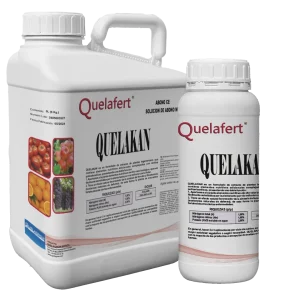
- • QUELAFERT® QUELAKAN: Our natural insecticide based on plant extracts, especially effective against thrips on fruit and flowers.
- • SOHISCERT certification: Guarantee that our products meet organic farming standards.
Growing pressure to reduce the use of chemical pesticides, the emergence of resistance, and the demand for residue-free food are driving a revolution in crop protection. In this context, organic insecticides have become the most effective and sustainable alternative. But what makes them so special? Unlike synthetic pesticides, these products are derived from natural sources such as plants, minerals, or microorganisms, offering effective protection without compromising soil health, pollinators, or people.
This comprehensive guide explores the different types of natural insecticides, biological insecticides, and bioinsecticides, their modes of action, the pests they control, how to apply them correctly, and the key role of certifications like SOHISCERT in guaranteeing their authenticity and quality. At Quelagrow, as manufacturers of agricultural insecticides, we are committed to sustainable innovation and zero residue.
What are organic insecticides and why are they important?
Organic insecticides, also known as natural insecticides or bioinsecticides, are naturally derived formulations used for pest control in agriculture and gardening. Their main characteristic is their biodegradability and low environmental impact compared to conventional insecticides.
Their importance in today’s agriculture is strategic for several reasons:
- Reduction of toxic residues: They leave no harmful residues on crops, facilitating access to more demanding markets and the attainment of organic farming certifications.
- Safety for the applicator and consumer: Being made from natural ingredients, they have lower toxicity for people and pets compared to synthetic chemicals.
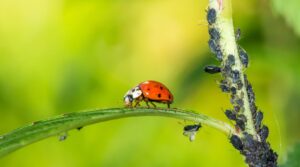
- Biodiversity protection: They are usually more selective and respectful of beneficial fauna and pollinators, such as bees and ladybugs, contributing to the balance of the agricultural ecosystem.
- Lower resistance risk: Based on multiple mechanisms of action or biological agents, pests develop resistance much more slowly.
Types of organic insecticides: discover natural solutions
There are several categories of natural and biological insecticides, each with specific characteristics and applications. Knowing them will help you choose the most suitable solution for each situation.
1. Plant-based insecticides (botanical extracts)
These natural insecticides are obtained directly from plants that produce bioactive compounds as a defense mechanism. They are popular for their renewable origin and low environmental persistence.
- Neem oil (Azadirachta indica): Interferes with the insect’s life cycle, affecting its feeding, reproduction, and growth. It is effective against a wide range of pests such as aphids, whiteflies, and caterpillars.
- Pyrethrins: Derived from chrysanthemum flowers (Chrysanthemum cinerariaefolium), they act on contact as a potent knockdown insecticide. They affect the insect’s nervous system and degrade rapidly in sunlight.
- Nettle extract (Urtica dioica): Traditionally used as a repellent and plant strengthener, it is rich in minerals and compounds that improve crop resistance.
- Garlic and chili extract: Their sulfur compounds and capsaicin act as powerful repellents, discouraging insects from feeding on treated plants.
2. Microbial insecticides (bacteria, fungi, and viruses)
These bioinsecticides contain entomopathogenic microorganisms that are specific pathogens for certain pests. They are highly selective and safe for the environment.
- Bacillus thuringiensis (Bt): The most widely used bacterium in biological pest control. It produces toxins that, when ingested by lepidopteran larvae (caterpillars), paralyze their digestive system and cause death by starvation. It is effective against tomato leafminer (Tuta absoluta), fall armyworm, and other lepidopterans.
- Beauveria bassiana: An entomopathogenic fungus that infects insects through the cuticle. Once inside, it multiplies and causes the insect’s death. It is effective against whitefly, thrips, aphids, and spider mites.
- Metarhizium anisopliae: Another fungus effective against beetles, grasshoppers, and soil-dwelling larvae.
- Nucleopolyhedrovirus (NPV): Specific viruses that infect and kill certain caterpillars, such as the fall armyworm (Spodoptera frugiperda).
3. Mineral-based insecticides
These products are based on mineral substances that act through physical mechanisms, dehydrating or damaging insects.
- Diatomaceous earth: A powder made from the fossilized remains of microscopic algae. When it comes into contact with insects, it penetrates their exoskeleton and causes dehydration. It is effective against aphids, mealybugs, mites, and other soft-bodied insects.
- Sulfur: Used both as a fungicide and insecticide, especially effective against mites (spider mites) and powdery mildew.
4. Semiochemical-based insecticides (pheromones)
Pheromones are chemical compounds that insects use to communicate. In pest control, they are mainly used in two ways:
- Pheromone traps: Attract males of a specific species, allowing population monitoring or mass trapping to reduce reproduction.
- Mating disruption: The environment is saturated with synthetic pheromones, preventing males from finding females to mate, drastically reducing the population of the next generation.
How do organic insecticides work? Modes of action
The effectiveness of an organic insecticide lies in its mode of action. Unlike chemical insecticides, which often act in a single way, bioinsecticides can employ several mechanisms:
- Contact: The insecticide comes into direct contact with the insect and causes its death (e.g., pyrethrins, diatomaceous earth).
- Ingestion: The insecticide is ingested by the pest when feeding on the treated plant and acts on its digestive system (e.g., Bacillus thuringiensis).
- Repellency: The insecticide discourages the insect from feeding or approaching the plant (e.g., garlic extract, neem oil).
- Life cycle disruption: Some products interfere with the growth, reproduction, or molting of the insect (e.g., neem oil, insect growth regulators).
Main pests you can control with organic insecticides
The versatility of biological insecticides allows control of a wide range of pests affecting crops. Below are the most common ones and the most effective organic solutions for each.
QUELAFERT® QUELAKAN: the natural insecticide against thrips
Within our range of bioprotectors, QUELAFERT® QUELAKAN stands out as a natural insecticide especially effective against thrips in larval stages located on fruit and flowers. Its plant extract-based formulation acts indirectly, significantly reducing commercial damage. A second treatment after 5 days is recommended to maximize its effectiveness, as it acts for 48 hours on the crop.
Field application guide: how to maximize effectiveness
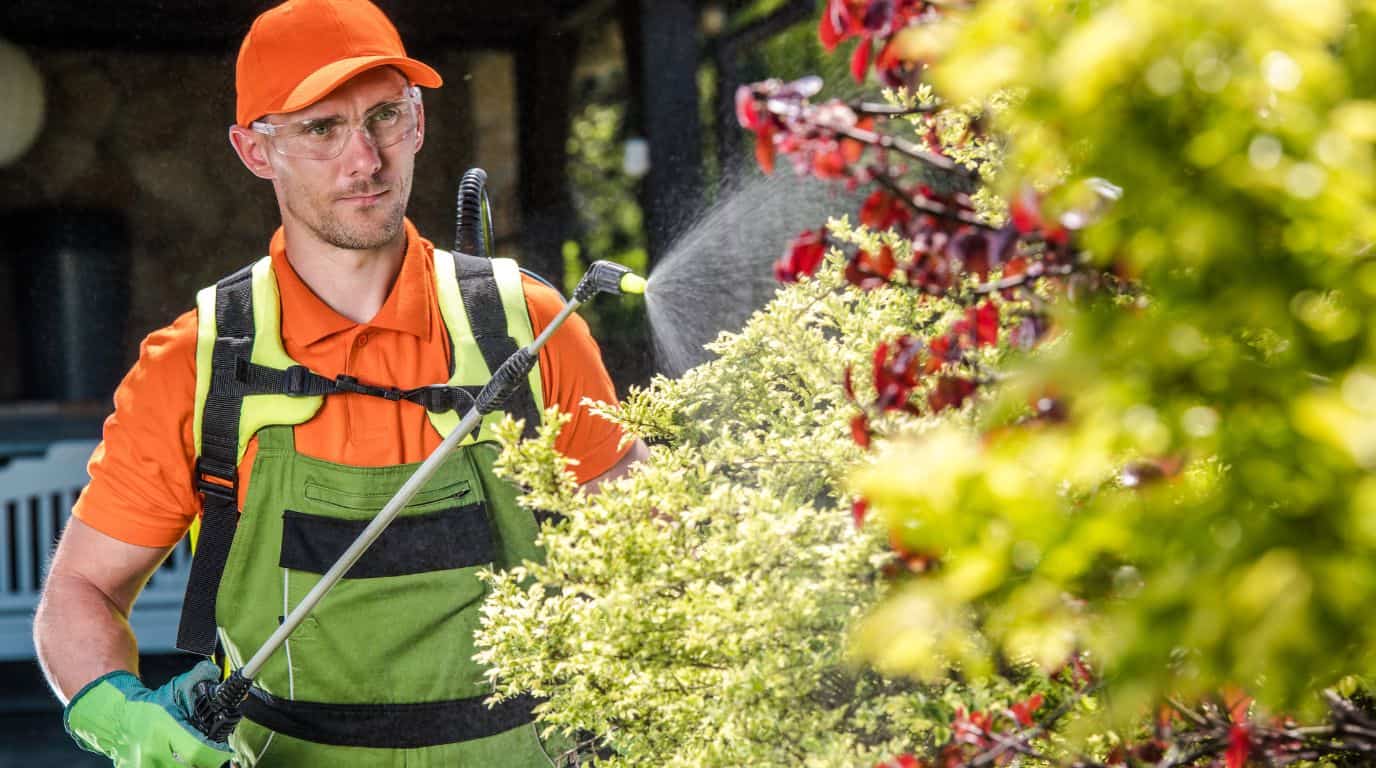
To achieve the best results with organic insecticides, it is essential to follow a series of good practices during application. The key to success lies in preparation, timing, and technique.
- Product preparation: Always follow the manufacturer’s instructions. Some products require dilution in water, while others are applied directly. Ensure thorough mixing for uniform distribution.
- Proper timing: Application should be done during the most vulnerable stages of the pest (generally in juvenile stages). Additionally, the cooler hours of the day (dawn or dusk) are ideal to prevent rapid degradation of active ingredients by sun and heat.
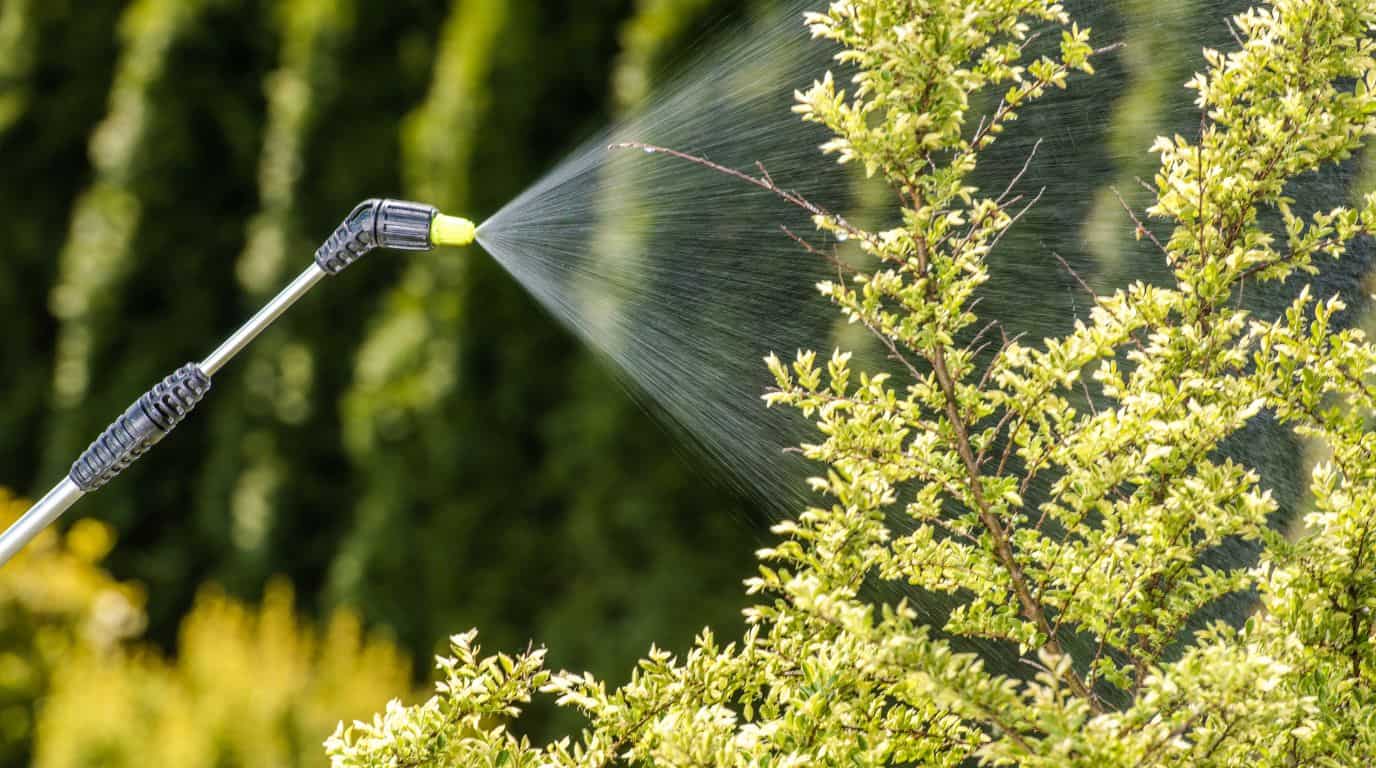
- Complete coverage: It is essential that the product covers all parts of the plant evenly, especially the undersides of leaves, where many pests take refuge. Good coverage means effectiveness.
- Weather conditions: Avoid applying products before heavy rain or in excessively windy conditions, as this can reduce effectiveness or cause drift. Temperature and humidity also influence the activity of some microorganisms.
- Reapplication and monitoring: The persistence of organic products is usually shorter than that of chemical ones. Regularly monitor the pest and repeat applications as recommended by the manufacturer to maintain pressure on the population.
- Protective equipment: Although less toxic, it is always advisable to use personal protective equipment (gloves, goggles, mask) during handling and application.
Certifications and regulations: the guarantee of an authentic organic product
In a market where greenwashing is common practice, official certifications are the only tool that guarantees to the farmer and consumer that a product meets the rigorous standards of organic production.
- EU Regulation 2018/848: Establishes the common rules for the production and labeling of organic products throughout the European Union. For insecticides, this regulation defines which inputs are allowed and under what conditions.
- SOHISCERT: It is one of the leading certification bodies in Spain, accredited by ENAC (National Accreditation Entity). Its seal on an organic insecticide guarantees that the product has undergone strict controls and complies with European regulations.
- OMRI (Organic Materials Review Institute): In the international market, especially in the United States, the OMRI seal is the reference standard for inputs permitted in organic agriculture.
- GlobalG.A.P. certification: Although not exclusive to organic products, GlobalG.A.P. (Good Agricultural Practice) certification is highly valued by large distributors and guarantees traceability and responsible use of inputs.
By choosing a product with these seals, the farmer not only complies with the law but also protects their investment and accesses more demanding and better-paying markets.
Quelagrow: your strategic partner in ecological crop protection
At Quelagrow, we are aware that the transition towards a more sustainable production model requires relying on trusted partners who offer effective solutions, backed by science and adapted to the real needs of the farmer. For this reason, we have developed a wide range of certified products, including organic insecticides, bioinsecticides, and biological control solutions that integrate perfectly into any Integrated Pest Management (IPM) program.
All our products are backed by the SOHISCERT seal, which guarantees their natural origin, their efficacy, and their compliance with EU Regulation 2018/848. Furthermore, our philosophy is based on sustainable innovation and zero residue, offering solutions that protect your crops without harming the environment or consumer health.
Some of our featured solutions include QUELAFERT® QUELAKAN: a natural insecticide based on plant extracts (Cinnamomum verum), ideal for controlling thrips, aphids, and whitefly. Its dual action by contact and ingestion makes it a versatile and effective tool.
Additionally, we offer personalized technical advice to help you design the most appropriate protection strategy for your crops, taking into account the specific conditions of your farm.
Frequently asked questions about organic insecticides
Are organic insecticides as effective as chemical ones?
Yes, when used correctly and at the right time. Their effectiveness is not based on acute toxicity, but on precision and knowledge of the pest’s life cycle. They can be just as effective as chemical ones for controlling specific pests, with the added advantage of not generating resistance or leaving toxic residues.
Can I mix organic insecticides with other products?
It depends on the type of product. Some are compatible with other bioinsecticides or fertilizers, while others should not be mixed with copper-based fungicides or sulfur products. It is always advisable to consult the product label or a specialized technician before mixing.
Is it safe to use organic insecticides on plants I am going to consume?
Yes, as long as the doses and safety periods indicated by the manufacturer are respected. Many of these products, such as neem oil or Bacillus thuringiensis, have very short or even zero pre-harvest intervals, making them ideal for home gardens and organic farming.
Do organic insecticides affect bees and other pollinators?
Most are designed to be selective and have minimal impact on pollinators when applied correctly (avoiding peak activity hours). However, it is always advisable to apply at dusk and avoid spraying directly on open flowers to minimize any risk.
What should I do if I don’t see immediate results after applying an organic insecticide?
The action of some bioinsecticides, especially microbial ones, can be slower than that of chemical knockdown products. It is normal for results to be observed after a few days. If after several applications the pest persists, review your application technique or consult a technician to adjust the strategy.
Are organic insecticides compatible with biological control?
Yes, most are fully compatible. Products like QUELAFERT® QUELAKAN are formulated to respect beneficial fauna, such as Orius sp. or Amblyseius sp., allowing their integration into Integrated Pest Management (IPM) programs.
What is the difference between a natural and an organic insecticide?
They are often used as synonyms, but technically a natural insecticide is one whose origin is natural (plant, mineral, or microbial). An organic insecticide must also comply with organic production regulations (EU Regulation 2018/848) and be certified by an authorized body such as SOHISCERT. All organic products are natural, but not all natural products are organic.